 Call Us : 08071930855


|
Product Code: 6211619
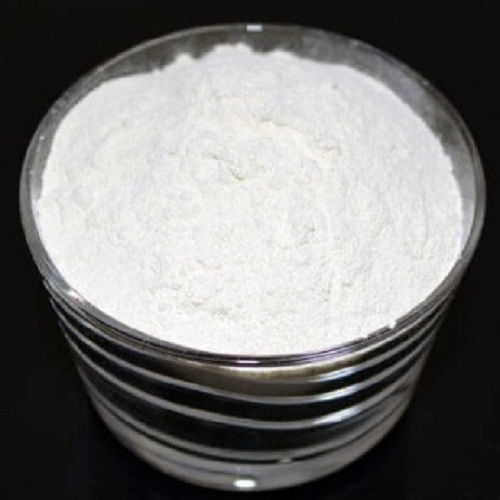
Yttriafully Stabilized Zirconia (with 8 mol% Y2O3) is a commonly used and well characterized ceramic electrolyte material. Thisnanoscale grade of YSZ-8 powder (with crystallite size of 5 - 10 nm and surfacearea of > 100 m²/gram) is offered for use as a sintering aid or as anactivity-enhancing additive in composite cathodes and cermet anodes. Asprovided, the nanoscale YSZ-8 powder is agglomerated and needs to be further processed in order for optimum dispersion.
Technical Specifications:

Price:
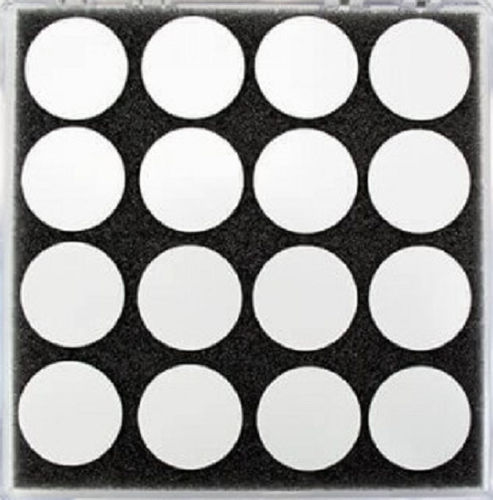
Purity : 99.99%
Application : Other, Semiconductors, microelectronic assemblies, scientific research
Moisture : <0.02%
Color : White
Product Type : Other, Substrate Button
Alloy : NonAlloyed
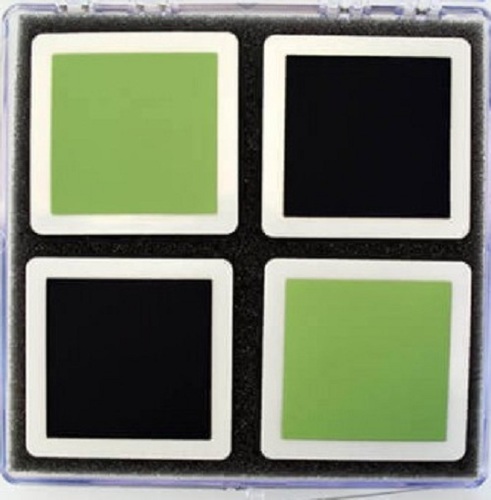
Purity : >=99% (YttriaStabilized Zirconia)
Application : Other, SOFC (Solid Oxide Fuel Cell) research, Oxygen Sensor, Electrochemical devices
Moisture : <0.1%
Color : White
Product Type : Other, Electrolyte Supported Planar Cell
Alloy : None (ceramic)
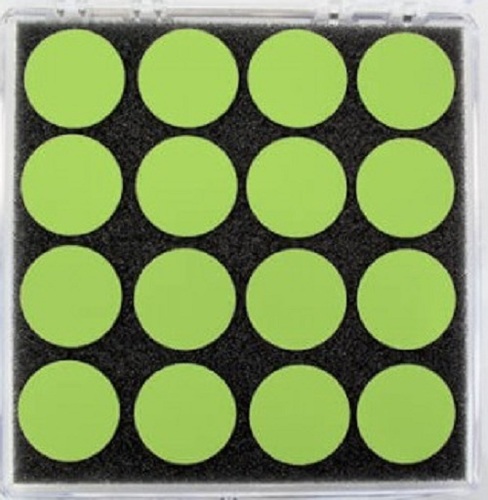
Purity : 99.9% (Typical)
Application : Other, Solidstate battery research, coin cell prototyping, electrochemical cell fabrication
Moisture : <0.2% (low, as per electrochemical standard environments)
Color : Silver/Grey
Product Type : Other, Anode Electrolyte BiLayer Button
Alloy : Bilayered; specific alloy for anode component (e.g., LiCo, NaMg) depending on requirement
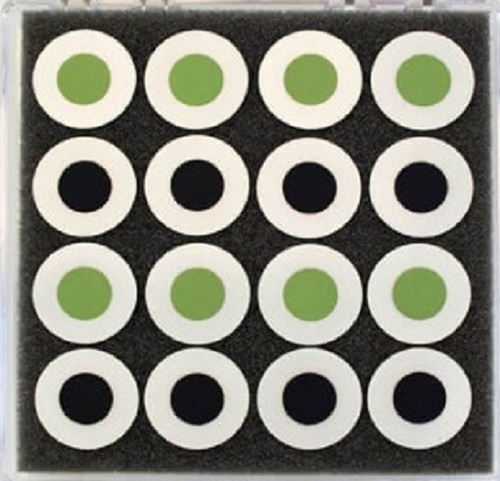
Purity : 99.9% (ceramic electrolyte)
Application : Other, SOFC research, electrochemistry testing, labscale fuel cell development
Moisture : <0.5%
Color : White
Product Type : Other, Electrolyte Supported Button Cell
Alloy : None (ceramic solid electrolyte)
 |
ULTRANANOTECH PRIVATE LIMITED
All Rights Reserved.(Terms of Use) Developed and Managed by Infocom Network Private Limited. |




 Send Inquiry

 Send Inquiry
 Send Inquiry
 Send SMS
 Call Me Free