 Call Us : 08071930855


|
ProductCode: 6201614
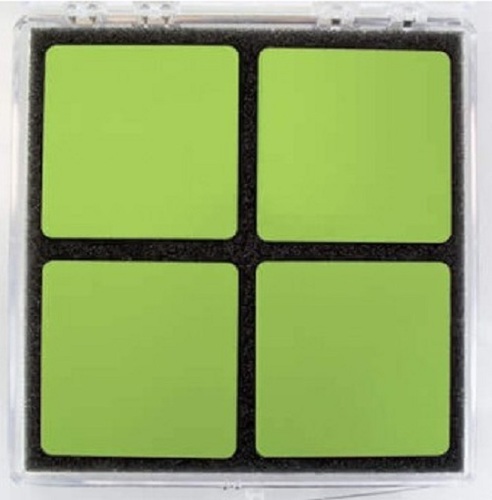
Solid Oxide Fuel Cell (SOFC)Anode Electrolyte Planar Supported Bi-layer (AEB) cells are a great startingpoint for researchers wanting to work on low temperature cathode materials. TheAEB offers a ceria interface for the cathode layer to prevent zirconateformation.

Price:
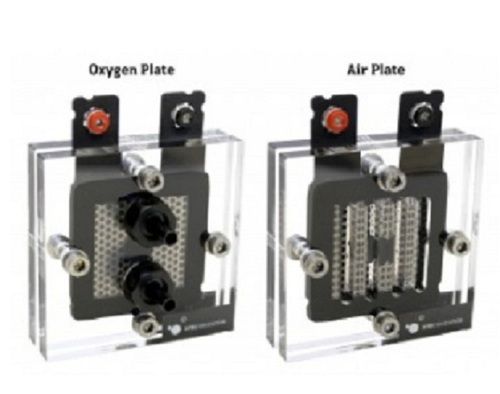
Hardness : Stainless steel (end plates): approx. 200 HV (Vickers Hardness)
Strength : Sufficient for educational and research use; withstands moderate clamping forces
Purity : N/A (Not applicable for assembled kit, but catalyst platinum purity typically >99.9%)
Shape : Other, Rectangular cell body with visible end plates
Product Type : Other, Single Cell Rebuildable PEM Fuel Cell Kit
Application : Other, Research, education, demonstration of PEM fuel cell technology
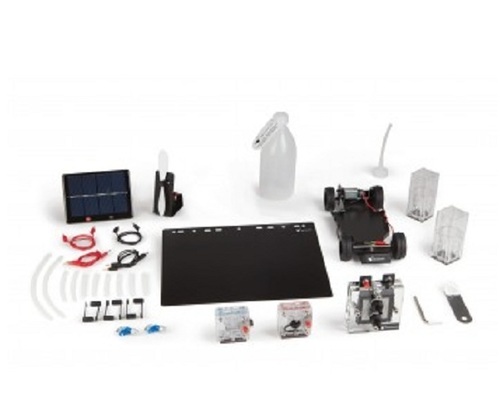
Hardness : Soft
Strength : High
Purity : 99.99%
Shape : Other, Rectangular
Product Type : Other, Refractory Brick
Application : Other, Industrial Furnaces
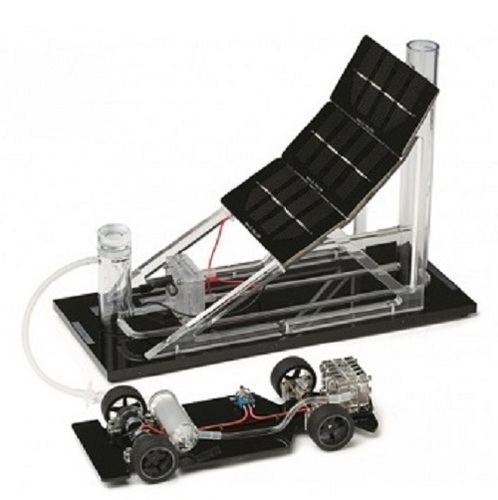
Hardness : Not applicable (composite and metal structure used)
Strength : Reinforced structure for high impact resistance
Purity : 99.99% hydrogen for fuel cell operation
Shape : Other, Aerodynamic car body, rectangular station
Product Type : Other, Hydrogen fuel cell concept car and refueling station
Application : Other, Automotive transportation; demonstration of hydrogen infrastructure
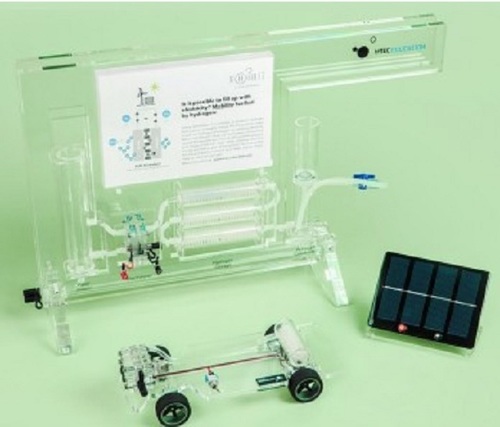
Hardness : N/A (Not specified for educational plastic components)
Strength : N/A (Demo model, not for loadbearing use)
Purity : N/A (Not applicable for demonstration model)
Shape : Other, Car: compact mini vehicle; Gas Station: rectangular station unit
Product Type : Other, Solar Hydrogen Demo Car & Gas Station Set
Application : Other, Demonstration, education, experiments in renewable energy and hydrogen fuel
 |
ULTRANANOTECH PRIVATE LIMITED
All Rights Reserved.(Terms of Use) Developed and Managed by Infocom Network Private Limited. |




 Send Inquiry

 Send Inquiry
 Send Inquiry
 Send SMS