Au Particles About
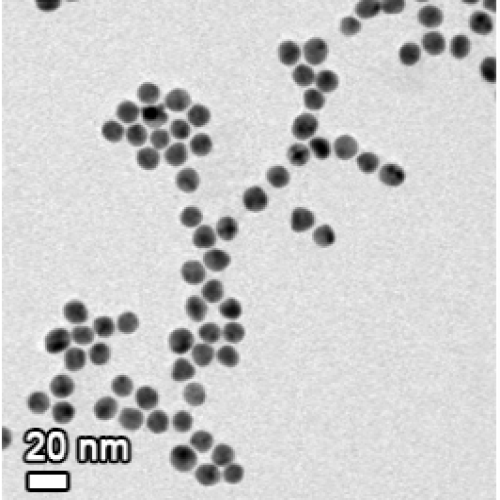
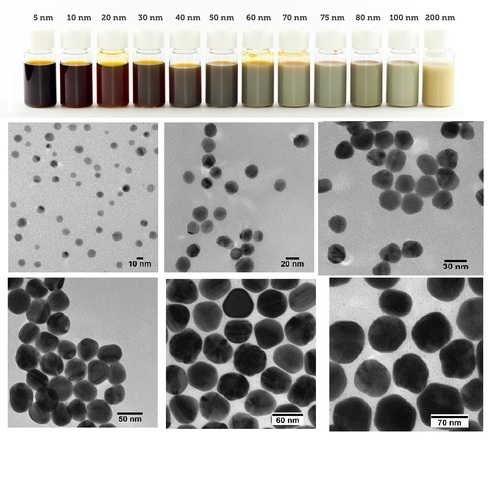
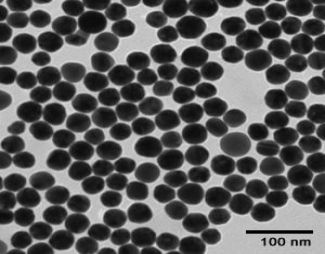
Gold Particles endows a series of monodisperse polycrystalline nanocrystals with a spherical shape with an average diameter ranging from 10 - 50 nm. Citrate-capped nanoparticles are very stable. Citrate-capping can be easily functionalized with various ligands, such as peptides, DNA, and antibodies.
Exceptional Physical and Chemical PropertiesAu particles boast a high density (19.3 g/cm3), outstanding electrical and thermal conductivity, and impressive resistance to acids and alkalis. Their melting and boiling points are 1064C and 2856C, respectively, making them suitable for demanding applications. Their customizable particle size allows flexibility, from nano to micron scale, to meet diverse industrial requirements.
Versatile Applications Across IndustriesGold particles are extensively used in electronics, medical diagnostics, catalysts, sensors, scientific research, and specialty coatings. Their unique properties enable precise conductive pathways in devices, enhance medical imaging techniques, expedite chemical reactions, and provide durable, attractive coatings with longevity and reliability.
Safe Handling and Long-Term StabilityWhile bulk gold is considered non-toxic, nanoform gold particles require proper safety measures during handling. For optimal longevity, Au particles should be stored in tightly sealed containers, in a cool, dry environment to maintain purity and stability. Their insolubility and low moisture content support extended shelf life and easy storage logistics.
FAQ's of Au Particles:
Q: How should gold (Au) particles be stored to ensure maximum shelf life?
A: Gold particles should be stored in tightly sealed containers in a cool, dry place. This prevents contamination and moisture absorption, preserving their stability and purity over time.
Q: What benefits do gold particles provide in electronics and medical diagnostics?
A: Gold particles offer high electrical and thermal conductivity, enhancing circuit performance in electronics. In medical diagnostics, their biocompatibility supports precise imaging and detection methods, improving accuracy and reliability.
Q: Where are gold particles commonly utilized in industrial and research settings?
A: Gold particles are frequently employed in Sweden and worldwide for electronics, sensors, catalysts, research labs, medical diagnostics, and specialized coatings, thanks to their unique conductivity and chemical stability.
Q: When is special care required during handling of gold particles?
A: Special care is essential when handling gold particles in nanoform, as their small size may interact differently with biological tissues. Bulk forms are generally safe, but nano gold should be managed using appropriate safety protocols.
Q: What process is used to customize the particle size of Au powder?
A: Particle size for gold powder can be tailored during the production process, typically through controlled milling or chemical synthesis, allowing customization from 10 nm to 2 microns based on application needs.
Q: How can gold particles benefit catalysts and coatings applications?
A: Gold particles accelerate chemical reactions as catalysts and provide corrosion-resistant, aesthetically pleasing, and durable coatings due to their excellent acid and alkali resistance and strong bonding characteristics.
 Call Us : 08071781050








 Send Inquiry

 Send Inquiry
 Send Inquiry
 Send SMS