LSM-YSZ Composite Cathode Ink About
LSM-YSZComposite Cathode Ink
Product Code: 6201643
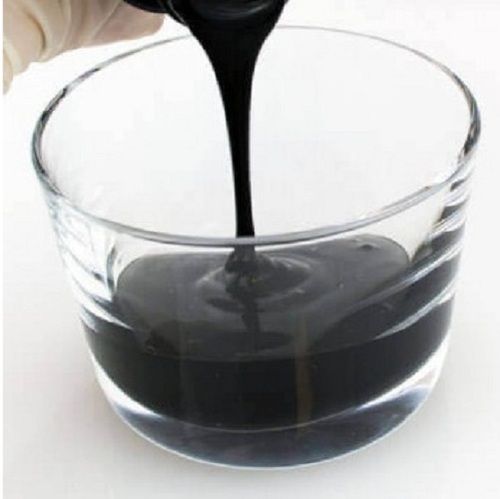
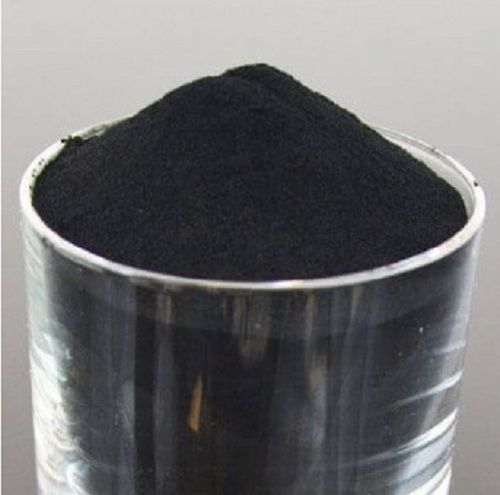
LSM-YSZ Composite Cathode Inks are excellent for fabricating your own Solid Oxide FuelCell (SOFC) with a composite cathode. The composite cathode inks have demonstrated better adhesion to the dense electrolyte surface which can enhanceyour overall cell performance. This ink is fabricated using a high-quality ink manufacturing processes and provides and a screen printable ink that is excellent for incorporating into your own cell manufacturing process.
Typical Use Guidelines:
- This is a great inkfor making cathode catalyst layers for SOFC applications.
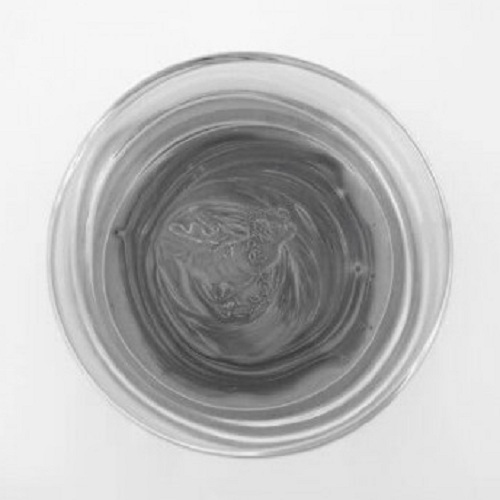
- Stirring the ink before use is highly recommended. For best results, the inkshould be stirred with a spatula or a glass rod to achieve an even consistency prior to use.
- For making cathode catalyst layers that are well bonded to the electrolyte: Theink applied electrolyte is typically sintered at 100C (until it looksdry), then sintered at 800C for 1 hr, and then at 1150C for 1hr. If an anode catalyst layer is also going to be applied (which wouldrequire a much higher sintering temperature than the this cathode), then it isrecommended that the anode catalyst layer to be bonded to the electrolytefirst. Exposing this cathode ink to sintering temperatures>1150oC would cause the densification and low performance and this needs to be avoided.
- For making electrical connections to a screen or wire:This ink is typicallyfired at 750oC or 850oC for 1 hour to ensure adhesion prior to testing at thedesired test temperature.
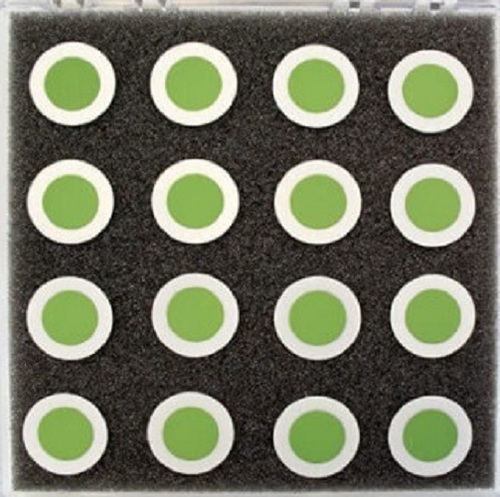
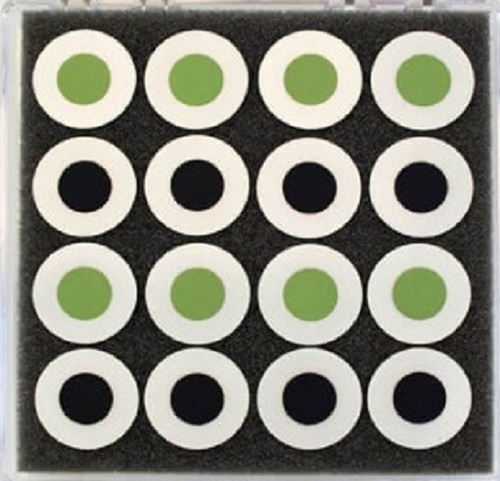
- This ink can be used for screen printing for generating electrical connections for wire attachments.
Exceptional Conductivity for SOFC PerformanceEngineered with a carefully balanced ratio of LSM and YSZ, this composite cathode ink achieves high electronic and ionic conductivity, optimizing performance in solid oxide fuel cells. Its nanometric particle size ensures enhanced reaction sites at the electrode-electrolyte interface, maximizing electrochemical efficiency and device output.
User-Friendly Application and Reliable ResultsThanks to a controlled viscosity range and proprietary organic binders, the ink can be easily applied by direct screen printing or brush coating. This uniform application capability promotes consistent layer thickness and electrochemical stability, making it ideal for research, prototyping, and large-scale production environments.
Secure Packaging and Optimal Shelf LifePackaged in plastic jars and available in practical sizes (100g, 500g, 1kg), the ink remains protected from environmental contaminants. Proper storage conditions (5-25C, away from freezing) ensure a six-month shelf life in a sealed container, guarding against moisture uptake and degradation for reliable use over time.
FAQs of LSM-YSZ Composite Cathode Ink:
Q: How should LSM-YSZ Composite Cathode Ink be applied to substrates?
A: The ink is designed for direct screen printing or brush coating onto electrolyte substrates. Its viscosity delivers smooth and consistent coverage, ensuring proper adhesion and optimal layer formation for electrochemical devices.
Q: What storage conditions are recommended for this cathode ink?
A: To maintain ink integrity, store it between 5-25C and avoid freezing. Keeping the container sealed and at stable room temperature will extend shelf life and prevent moisture contamination.
Q: What is the typical shelf life of LSM-YSZ Composite Cathode Ink?
A: When stored in its original sealed container under recommended conditions, the ink retains quality for up to six months from the date of manufacture.
Q: Where is this cathode ink most commonly used?
A: The primary application is in Solid Oxide Fuel Cells (SOFCs) and related electrochemical devices, where high electronic and ionic conductivity, along with excellent electrochemical stability, are essential.
Q: What benefits does the LSM-YSZ composite offer compared to traditional cathode inks?
A: Combining LSM and YSZ enhances both electrical and ionic conductivity, improves mechanical stability, and increases durability in demanding SOFC operating conditions, leading to more reliable and efficient devices.
Q: What particle size and moisture content does the ink maintain for optimal use?
A: The composite contains particles smaller than 2 m (D50) and less than 1% moisture, facilitating easy application and superior electrochemical characteristics.
Q: Is the ink suitable for large-scale manufacturing, and how is it packaged?
A: Yes, the ink is available in standard jar sizes (100g, 500g, 1kg) suitable for various production scales. Custom packaging dimensions are also available to meet specific project requirements.
 Call Us : 08071781050








 Send Inquiry

 Send Inquiry
 Send Inquiry
 Send SMS