Call UsCall Us : 08071930855
Change Language
SOFC Ink Vehicle
SOFC Ink Vehicle

SOFC Ink Vehicle

SOFC Ink Vehicle Specification

  • Purity
  • 99.9%
  • Strength
  • High adhesion
  • Hardness
  • Medium
  • Product Type
  • Ink Vehicle
  • Material
  • Organic solvents and binders
  • Shape
  • Liquid
  • Moisture
  • < 1%
  • Chemical Composition
  • Proprietary organic solution
  • Application
  • SOFC (Solid Oxide Fuel Cell) ink formulation
  • Dimension (L*W*H)
  • Customized
  • Color
  • Light brown
  • Surface Tension
  • 30-32 mN/m
  • Viscosity
  • 1200-1500 cps
  • Density
  • ~1.05 g/cm³
  • Compatibility
  • Suitable for ceramic and metal oxide inks
  • Toxicity
  • Non-toxic
  • Volatile Content
  • <3%
  • Boiling Point
  • >180°C
  • Usage Ratio
  • As per formulation
  • Packaging Type
  • Sealed plastic drum
  • pH Value
  • Neutral
  • Shelf Life
  • 12 months
  • Flash Point
  • >70°C
  • Solubility
  • Insoluble in water
  • Storage Condition
  • Cool, dry place
 

SOFC Ink Vehicle Trade Information

  • Payment Terms
  • Paypal
  • Delivery Time
  • 15 Days
  • Main Export Market(s)
  • Asia
  • Main Domestic Market
  • All India
 

About SOFC Ink Vehicle

SOFC InkVehicle

Product Code: 6201654

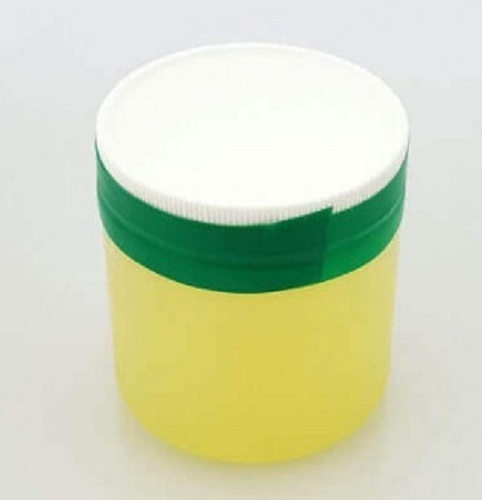
Createyour own ceramic paste and inks using the Solid Oxide Fuel Cell (SOFC) InkVehicle. This terpineol based ink vehicle is excellent for creating ceramic pastes and inks and is used in our own fabrication processes. You can also adjust the viscosity of your current pastes and inks by gradually adding this ink vehicle until you get the right consistency for your application.

Technical Specifications:

Formulation: Terpineol Based

 Typical Use Guidelines:
  • This is a great inkfor making electrical connections for electro chemical testing of fuel cells,ceramic substrates, electro chemical materials, and metals.
  • Stirring the ink before use is highly recommended. For best results, the ink should be stirred with a spatula or a sonic wand to achieve an even consistencyprior to use.
  • This ink is typically fired at 750°C or 850°C for 1 hour to ensure adhesion prior to testing at the desired test temperature.
  • This ink can be used for screen printing for generating electrical connections for wire attachments.


Versatile Ink Vehicle for SOFC Applications

Designed for the rigorous demands of solid oxide fuel cell production, our SOFC Ink Vehicle provides reliability and adaptability for ceramic and metal oxide ink formulations. Its proprietary organic blend delivers robust adhesion, making it a preferred choice among manufacturers, distributors, and suppliers across the United States.


High Purity and Safe Performance

This ink vehicle guarantees non-toxicity and high purity (99.9%), supported by a stable medium hardness and effective viscosity. The product is engineered to perform under variable conditions while retaining its bonding and adhesive strength, supporting consistent outcomes in industrial applications.

FAQ's of SOFC Ink Vehicle:


Q: How should SOFC Ink Vehicle be stored to maintain its shelf life?

A: SOFC Ink Vehicle should be kept in a cool, dry place and inside its sealed plastic drum. Proper storage ensures up to 12 months of shelf life without compromising purity or performance.

Q: What is the recommended usage ratio for SOFC Ink Vehicle in formulations?

A: Use the SOFC Ink Vehicle according to your specific ink formulation requirements. Its compatibility with ceramic and metal oxide inks allows for tailored dosage as per the intended application.

Q: When is the best time to use this ink vehicle in the SOFC ink production process?

A: Incorporate the SOFC Ink Vehicle during the mixing or blending stage of ink formulation. Its proprietary organic composition facilitates uniform dispersion and high adhesion when added at this point.

Q: Where can SOFC Ink Vehicle be applied effectively?

A: SOFC Ink Vehicle is ideal for use in the formulation of inks meant for solid oxide fuel cells, especially those involving ceramic and metal oxide substrates. It is widely supplied throughout manufacturing facilities in the United States.

Q: What is the process for using the SOFC Ink Vehicle?

A: Begin by measuring the ink vehicle in accordance with your formulation. Mix thoroughly with the selected powders and additives until a homogeneous solution is achieved, ensuring compatibility and strong adhesion properties.

Q: What are the main benefits of using SOFC Ink Vehicle in SOFC ink formulations?

A: The main benefits include high adhesion, non-toxic composition, medium hardness, low volatile content, and superior compatibility with ceramic and metal oxide inks, all of which contribute to reliable performance in SOFC applications.

Tell us about your requirement
product

Price:

Quantity
Select Unit

  • 50
  • 100
  • 200
  • 250
  • 500
  • 1000+
Additional detail
Mobile number

Email

More Products in Solid Oxide Fuel Cell Components Category

Gold SOFC Ink

Gold SOFC Ink

Purity : 99.9% (Typical)

Product Type : Other, SOFC Screen Printing Ink

Color : Gold

Material : Gold

Alloy : None (Pure Gold)

Chemical Composition : Gold (Au), Organic Binder, Solvent

Nickel Oxide - YSZ Anode Powder for General Applications

Nickel Oxide - YSZ Anode Powder for General Applications

Purity : 99.9%

Product Type : Other, Anode Powder

Color : Greyish green

Material : Nickel Oxide & YSZ

Alloy : No

Chemical Composition : NiOYSZ composite (Nickel Oxide and Yttriastabilized Zirconia)

Lanthanum Strontium Cobalt Ferrite Cathode Powder

Lanthanum Strontium Cobalt Ferrite Cathode Powder

Purity : 99.9% (High Purity Grade)

Product Type : Other, Ferrite Cathode Powder

Color : Black to Dark Brown

Material : Lanthanum Strontium Cobaltite Ferrite

Alloy : No (Ceramic Perovskite Oxide)

Chemical Composition : La0.6Sr0.4CoO3 (Lanthanum Strontium Cobalt Ferrite)

Single Electrode Cell - Cathode Only - 2cm Diam

Single Electrode Cell - Cathode Only - 2cm Diam

Purity : 99.9% (metals), as per material specification

Product Type : Other, Single Electrode Cell (Cathode Only)

Color : Metallic grey (typical for metallic electrodes)

Material : Electrode grade metal oxide or metal

Alloy : None (pure or composite, as required)

Chemical Composition : Depends on selected cathode material (commonly Ni, Co, Mn oxides, etc.)