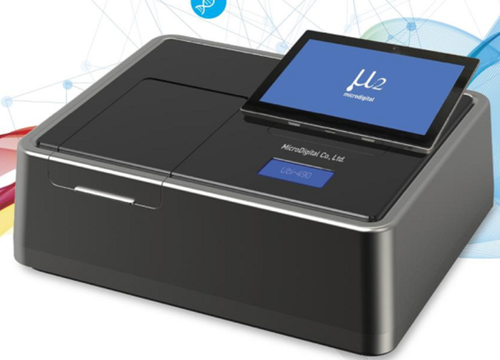
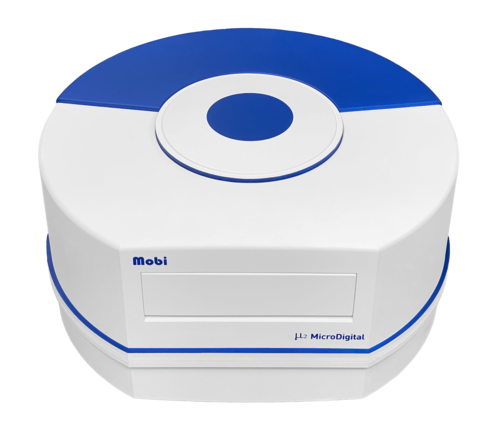
Ubi-490 UV VIS Spectrophotometer About
Wavelength Range: 190-1100nm
Bandwidth: 2 nm
Wavelength Accuracy: 0.5 nm
Wavelength reproducibility: 0.3 nm
Photometric Accuracy: 0.3%T
Photometric Repeatibility: 0.2%T
Photometric Display range: 0-200%T, -0.3-3.0A
Stability: 0.002A/h@500 nm
StrayLight: 0.05%T@220 nm, 360nm
Data output port: USB
Lamps: Deuterium Lamp & Tungsten Halogen Lamp
Detector: silicon Photodiode
Power Requirement: 220V/ 50 Hz
Dimension: 450380180mm
weight : 18.0 kg
Reliable Double Beam OpticsThe Ubi-490 employs a double beam optical system with a grating of 1200 lines/mm, delivering highly accurate and repeatable measurements essential for robust analytical results. This technology minimizes sample and reference drift, ensuring reliable comparisons and consistent performance throughout diverse laboratory workflows.
Advanced Photometric PerformanceEngineered for precision, the Ubi-490 provides photometric accuracy of 0.3% T and repeatability of 0.15% T. Its spectral bandwidth of 2 nm and baseline flatness of 0.002 A guarantee dependable data, whether analyzing absorbance or transmittance. The instrument covers a broad photometric range from -0.3 to 3 A, supporting applications in research, clinical, and industrial labs.
Flexible Data Management OptionsEffortlessly manage your experimental data with the Ubi-490s integrated direct printing, storage, and transfer capabilities. Multiple output interfaces such as USB and RS232 allow straightforward connectivity to computers and printers, streamlining the documentation and analysis processes for enhanced productivity.
FAQs of Ubi-490 UV VIS Spectrophotometer:
Q: How is the measurement accuracy ensured in the Ubi-490 UV VIS Spectrophotometer?
A: The Ubi-490 achieves high measurement accuracy by utilizing a double beam optical system and a 1200 lines/mm grating. Its wavelength accuracy is 0.3 nm and repeatability is 0.2 nm, while photometric accuracy reaches 0.3% T, with repeatability at 0.15% T. These features guarantee consistent and reliable data in analytical applications.
Q: What types of samples and cuvettes can the Ubi-490 accommodate?
A: The Ubi-490 is designed to accommodate samples in cuvettes with a 10mm path length, suitable for most standard laboratory analyses in chemistry, pharmaceuticals, environmental science, and food testing. The sample compartment is easily accessible and compatible with typical spectroscopic cuvettes.
Q: When is it beneficial to use the Ubi-490s selectable scanning speed?
A: The selectable scanning speed (high, medium, low) allows users to tailor measurement speed according to sample type and analytical requirements. High speed is beneficial for quick screening, while low speed delivers maximum precision for detailed analyses or when analyzing samples with subtle spectral features.
Q: Where can the Ubi-490 spectrophotometer be applied in laboratory environments?
A: The Ubi-490 UV VIS Spectrophotometer is widely used in chemistry labs, pharmaceutical quality control, environmental monitoring, and food component analysis in both research and industrial settings. Its versatility makes it suitable for any laboratory requiring reliable UV-visible spectrophotometry.
Q: How does the data output feature enhance workflow efficiency with the Ubi-490?
A: With integrated direct printing, data storage, and seamless transfer via USB and RS232 interfaces, the Ubi-490 streamlines data management, documentation, and reporting. These features save time and reduce errors associated with manual data handling, enhancing overall workflow efficiency.
Q: What process should be followed to operate the Ubi-490 safely and efficiently?
A: Users should install the instrument in an environment with a temperature range of 5C to 35C and a stable power supply (220V AC 10%, 50/60Hz). Samples are loaded into standard 10mm cuvettes, and settings are selected via the LCD graphic display. Regular calibration and maintenance ensure ongoing reliability and accuracy.
Q: What are the main benefits of having a metal construction and silicon photodiode detector in the Ubi-490?
A: The solid metal body provides durability and minimizes extraneous interference, while the advanced silicon photodiode detector assures high sensitivity and stability during measurement. These design elements contribute to long-term reliability and precise results, even in rigorous laboratory environments.
 Call Us : 08071781050








 Send Inquiry

 Send Inquiry
 Send Inquiry
 Send SMS
 Call Me Free