Call UsCall Us : 08071930855
Change Language
Platinum SOFC Ink (Pt) - 10 grams

Platinum SOFC Ink (Pt) - 10 grams

Platinum SOFC Ink (Pt) - 10 grams Specification

  • Purity
  • 99.9% Pt
  • Strength
  • High chemical stability
  • Product Type
  • Solid Oxide Fuel Cell (SOFC) Ink
  • Material
  • Platinum (Pt)
  • Alloy
  • None (Pure Elemental Pt)
  • Shape
  • Liquid ink
  • Moisture
  • <0.1%
  • Chemical Composition
  • Platinum (Pt) based complex organometallic ink
  • Application
  • Electrode fabrication, catalyst for SOFCs
  • Dimension (L*W*H)
  • 10 gram vial
  • Color
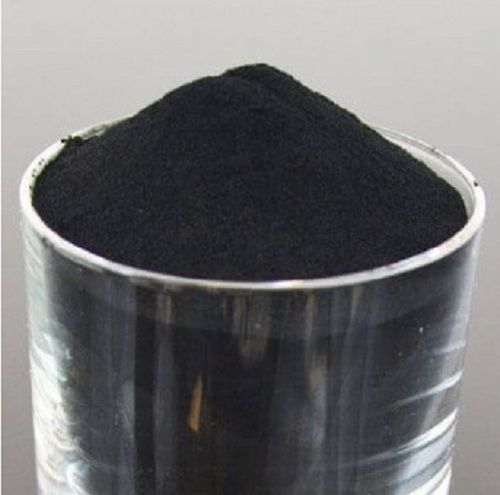
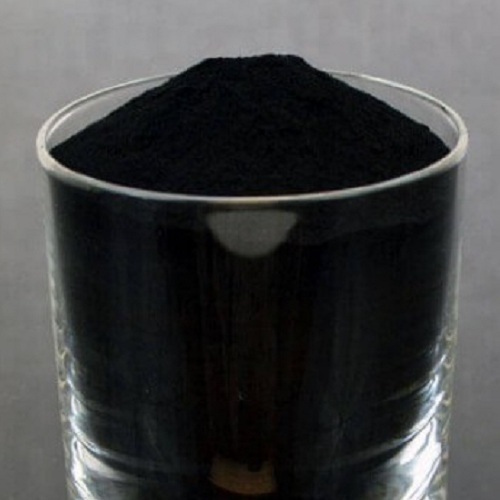
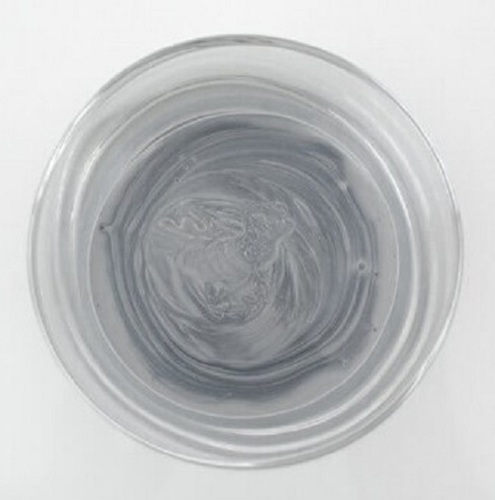
  • Grey-black
  • Usage Instructions
  • Shake well before use; apply by screen printing or brush.
  • Solvent Type
  • Organic solvent base
  • Packaging
  • Glass vial, screw cap
  • Viscosity
  • 6001000 cP at 25C
  • Particle Size
  • <100 nm platinum
  • Shelf Life
  • 12 months
  • Compatibility
  • Compatible with YSZ, GDC, LSCF, and other SOFC substrates
  • Storage Conditions
  • Store tightly sealed, away from light, at ambient temperature
  • Curing Temperature
  • Recommended 800-950C (SOFC electrode sintering)
  • Hazard Information
  • Non-flammable, avoid ingestion or inhalation
  • Conductivity
  • Excellent electrical conductivity
 

Platinum SOFC Ink (Pt) - 10 grams Trade Information

  • Payment Terms
  • Paypal
  • Delivery Time
  • 15 Days
  • Main Export Market(s)
  • Asia
  • Main Domestic Market
  • All India
 

About Platinum SOFC Ink (Pt) - 10 grams

PlatinumSOFC Ink (Pt) - 10 grams

ProductCode: 6201653

Platinum(Pt) Ink is an excellent conductor of current, which makes it a very usefulcontact paste. Pt ink is also more suitable for higher temperatureapplications. It is an excellent reference electrode especially for materialsthat need to be evaluated at temperatures above 850C or at 800-850C for anextended period of time.

Dueto volatility in precious metal pricing, the selling price of this product willbe established when you place your order. We will do our best to maintain ourquoted pricing, but small adjustments may occur. To receive the most accuratepricing, please request a quote shortly before placing your order.

Technical Specifications:

Metal: Platinum (Pt)
Quantity: 10 grams Solids Loading: No less than 70% Platinum by weight


Typical Use Guidelines:

This is a great inkfor making electrical connections for electrochemical testing of fuel cells,ceramic substrates, electrochemical materials, and metals.
Stirring the ink before use is highly recommended. For best results, the inkshould be stirred with a spatula or a sonic wand to achieve an even consistencyprior to use.
This ink is typically fired at 750C or 850C for 1 hour to ensure adhesionprior to testing at the desired test temperature.
This ink can be used for screen printing for generating electrical connectionsfor wire attachments.


Superior Conductivity and Stability

Engineered for high-performance electrode fabrication, this platinum SOFC ink offers excellent electrical conductivity combined with remarkable chemical stability. Its nano-sized platinum particles are uniformly dispersed in an organic solvent base, ensuring consistent layer formation and optimal performance in fuel cell environments. Users benefit from reliable results across catalyst and electrode manufacturing.


User-Friendly Application Process

Platinum SOFC ink is ready-to-use, simplifying fabrication through screen printing or manual brush techniques. The preparation is hassle-free: simply shake the vial well before use to ensure homogenous distribution. The ink is non-flammable and can be safely handled with basic precautions, provided ingestion and inhalation are avoided. Curing at recommended temperatures guarantees superior adhesion and conductivity.


Optimal Compatibility and Storage

This platinum ink pairs seamlessly with widely used SOFC substrates including YSZ, GDC, and LSCF. For best results, store the tightly sealed vial away from light at ambient temperature to preserve ink quality throughout its 12-month shelf life. Each 10-gram glass vial is designed for convenient handling and minimal waste, supporting consistent performance from lab scale to pilot production.

FAQ's of Platinum SOFC Ink (Pt) - 10 grams:


Q: How should I apply Platinum SOFC Ink for best results?

A: For optimal results, shake the vial thoroughly before use to ensure even particle dispersion. Apply the ink using screen printing or a fine brush, depending on your fabrication method. After application, the ink should be cured at 800-950C, as recommended for SOFC electrode sintering.

Q: What materials is this platinum SOFC ink compatible with?

A: This ink is specifically formulated to be compatible with key SOFC substrate materials such as YSZ, GDC, LSCF, and additional common solid oxide fuel cell supports, supporting versatile use in various research and manufacturing settings.

Q: Where should the Platinum SOFC Ink be stored to maintain its shelf life?

A: The ink should be kept in its tightly sealed glass vial, away from light, at ambient (room) temperature. These storage conditions help maintain the ink's performance and stability for up to 12 months from the manufacturing date.

Q: What are the safety precautions when using this ink?

A: While the ink is non-flammable, it's important to avoid ingestion and inhalation. Handle the product in a well-ventilated area and use appropriate personal protective equipment such as gloves and safety glasses during application.

Q: What is the benefit of using this ink in SOFC applications?

A: This platinum ink provides outstanding electrical conductivity and chemical stability, crucial for efficient electrode fabrication and catalyst layers in SOFCs. Its ultrafine platinum particles and high purity contribute to enhanced device performance and reliability.

Q: Can this ink be used immediately after purchase, or does it require preparation?

A: The ink is supplied in a ready-to-use form, but it is essential to shake the vial well before each use to achieve a homogenous mixture and optimal printing results.

Tell us about your requirement
product

Price:

Quantity
Select Unit

  • 50
  • 100
  • 200
  • 250
  • 500
  • 1000+
Additional detail
Mobile number

Email

More Products in Solid Oxide Fuel Cell Components Category

LSM-YSZ Composite Cathode Powder

LSM-YSZ Composite Cathode Powder

Product Type : Other, Composite Cathode Powder

Dimension (L*W*H) : Custom or powder form

Chemical Composition : (La0.8Sr0.2)0.98MnO3 + Yttriastabilized zirconia (8YSZ, ZrO2:Y2O3)

Strength : High mechanical strength

Hardness : 6.57 Mohs

Application : Other, Solid oxide fuel cells cathode, electrode material

Anode Electrolyte Button Bi-Layer - 2cm Diam

Anode Electrolyte Button Bi-Layer - 2cm Diam

Product Type : Other, Button bilayer anodeelectrolyte

Dimension (L*W*H) : Diameter: 2cm; Thickness: approx. 2.03.0mm

Chemical Composition : Multilayered: Metal (often Ni/Co alloy or lithium) and solid electrolyte (typically ceramic oxide or polymer electrolyte)

Strength : High mechanical integrity suitable for electrochemical cell assembly

Hardness : As per electrode material standard, ~200 HV (dependent on fabrication method)

Application : Other, Lab research, prototype solidstate battery fabrication, electrochemical cell testing

Lanthanum Nickel Cobaltite Cathode Powder

Lanthanum Nickel Cobaltite Cathode Powder

Product Type : Other, Cathode Powder

Dimension (L*W*H) : Custom/As required

Chemical Composition : LaNi0.6Co0.4O3 or LaNi1xCoxO3 (Lanthanum Nickel Cobaltite)

Strength : High mechanical strength

Hardness : High

Application : Other, Solid oxide fuel cells (SOFC), catalysis, electrode material
Single Electrode Button Cell - Anode Only - 2cm Diam

Single Electrode Button Cell - Anode Only - 2cm Diam

Product Type : Other, Single Electrode Button Cell (Anode Only)

Dimension (L*W*H) : Diameter: 2 cm, Thickness: 5 mm (approx.)

Chemical Composition : High purity metal (commonly Lithium or another anode material; please specify if required)

Strength : Not specified (Dependent on material)

Hardness : Not specified (Dependent on material)

Application : Other, Research and development in battery technology, halfcell testing, electrochemical analysis