 Call Us : 08071781050


|
ProductCode: 6201621
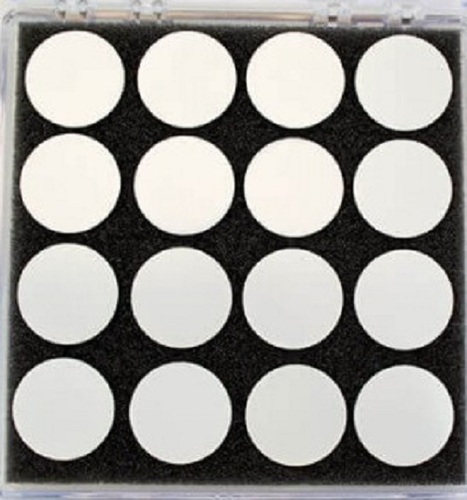
TheseYttria-Stabilized Zirconia (YSZ) (8 mole % yttria) Substrates are for thedevelopment of anode and cathode materials and structures. The YSZ substrate isparticularly useful for short-term destructive testing, e.g. impurity/sulfurresistance of anode materials, where low cost is desired, and low performanceis acceptable. We recommend the use of the Hionic Substrate for high-performance testing.
TypicalUse Guidelines: Highly conductive Scandia based substrate for fabricatingsolid oxide fuel cells, or other high temperature applications. The Hionicsubstrates are ideal for long term testing, and other application whereimproved conductivity of an electrolyte support is desired.
Other Sizes AvailableInclude:
2.5 cm Diameter
3.2 cm Diameter

Price:
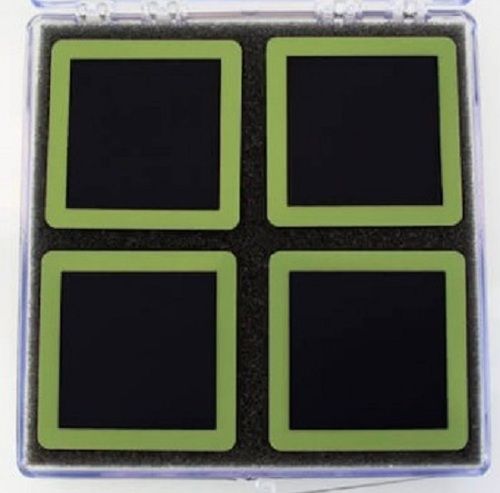
Product Type : Other, Solid Oxide Fuel Cell Planar Cell
Moisture : <0.1%
Application : Other, Fuel cell research, energy conversion, SOFC stack assembly
Purity : 99.9% (main ceramic component)
Shape : Other, Planar square
Chemical Composition : NiOYSZ/YSZ/LSM or LSCF layered structure
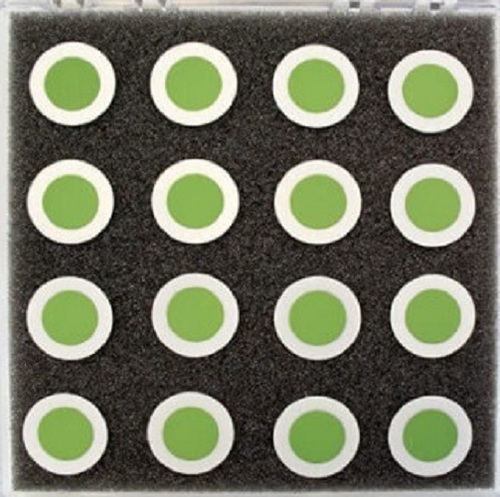
Product Type : Other, Single Electrode Button Cell (Anode Only)
Moisture : Low, supplied in sealed packaging
Application : Other, Research and development in battery technology, halfcell testing, electrochemical analysis
Purity : 99.9% (Typical)
Shape : Other, Round Button
Chemical Composition : High purity metal (commonly Lithium or another anode material; please specify if required)
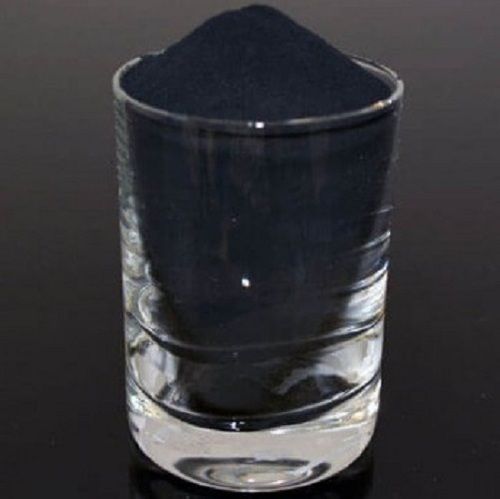
Product Type : Other, Cathode Powder
Moisture : <0.5%
Application : Other, Solid Oxide Fuel Cells (SOFC), Oxygen separation membranes
Purity : 99.9%
Shape : Other, Powder
Chemical Composition : LSCFGDC (Lanthanum Strontium Cobalt Ferrite Gadolinium Doped Ceria)
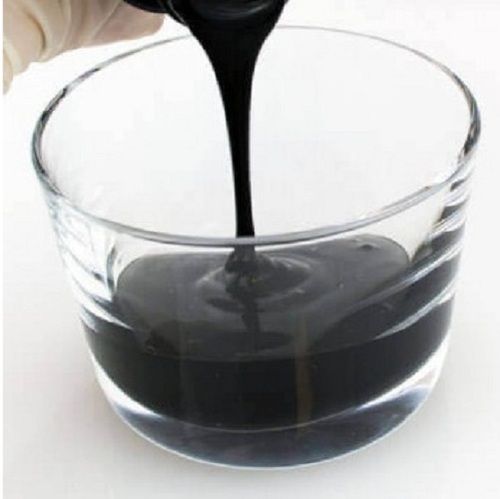
Product Type : Other, Cathode Ink
Moisture : <1% (low moisture content to improve application)
Application : Other, Solid Oxide Fuel Cells (SOFCs); Electrochemical Devices
Purity : 99.9%
Shape : Other, Paste/Ink
Chemical Composition : La0.8Sr0.2MnO3 (LSM), YttriaStabilized Zirconia (YSZ)
 |
ULTRANANOTECH PRIVATE LIMITED
All Rights Reserved.(Terms of Use) Developed and Managed by Infocom Network Private Limited. |




 Send Inquiry

 Send Inquiry
 Send Inquiry
 Send SMS