Microbial H-Cell (1 L) About
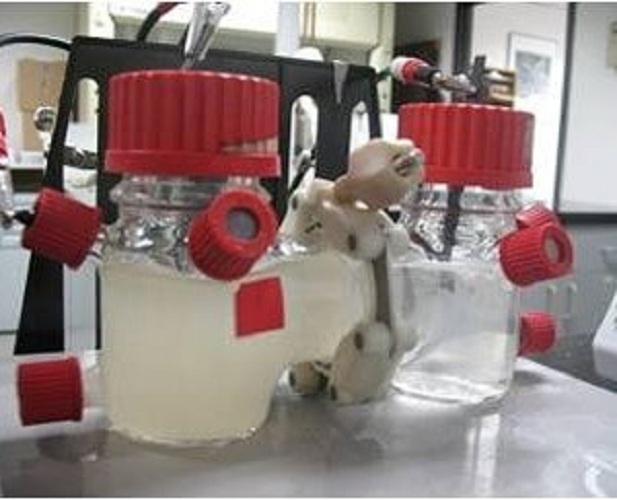
The Microbial H-Cell (1 L) is an ace in electrochemical research, bringing sizzling performance for ephemeral yet superlative experiments in microbial fuel cell studies and biochemistry. Crafted from virtuosic laboratory-grade borosilicate glass with 99% purity, this cell features twin-compartment anodic/cathodic chambers divided by a proton exchange membrane or salt bridge. Its non-metallic design ensures chemical resistance and safety. Flexible port configurations, leak-proof sealing, and an autoclavable structure make this model indispensable for any distributor, manufacturer, or research virtuoso in need of peak precision and reliability.
Versatile Applications for Research Excellence
The Microbial H-Cell (1 L) shines in academic institutions, biotechnology labs, and industry research centers. Favored by researchers, educators, and laboratory technicians, it is used for electrochemical analysis, microbial fuel cell studies, and advanced biochemistry experiments. Application involves assembling appropriate electrodes, managing solutions in divided chambers, and employing sampling ports for operational convenience. This H-Cell is a superlative choice for anyone exploring energy generation or biochemical reaction studies.
Sample Policy, Domestic Market, and Shipping Details
Dispatching this product involves careful packing & dispatch protocols to guarantee safe transportation. Our sample policy allows shipment of demonstration units to verified institutions within the United States, focusing on the main domestic market. The FOB port is designated at major U.S. shipping hubs, ensuring efficient logistics and timely delivery. We adhere to strict packaging criteria to maintain product integrity from warehouse to laboratory, assuring a seamless process from order to receipt.
FAQ's of Microbial H-Cell (1 L):
Q: How is the Microbial H-Cell (1 L) primarily used in laboratory research?
A: The Microbial H-Cell is utilized for electrochemical studies, especially in microbial fuel cell research and biochemistry experiments. Its twin-chamber design enables simultaneous observation and analysis of anodic and cathodic processes in a controlled environment.
Q: What materials ensure the cell's durability and chemical resistance?
A: This H-Cell uses high-quality borosilicate glass for the main body, and polypropylene for caps and seals. These materials are chosen for their superlative resistance to acids, bases, and routine laboratory solvents.
Q: When should the proton exchange membrane or salt bridge be used?
A: The choice between a proton exchange membrane and a salt bridge depends on the experimental requirements. The PEM is ideal for selective proton transfer, while the salt bridge can serve in specific ionic exchange scenarios.
Q: Where is the Microbial H-Cell (1 L) manufactured and supplied?
A: It is manufactured and distributed within the United States, serving universities, research institutions, and industrial labs nationwide through a network of trusted suppliers and distributors.
Q: What is the process for sterilizing the H-Cell before experiments?
A: Sterilization generally involves autoclaving the glass and compatible components at temperatures up to 120C. Some polymer parts may require alternative sterilization methods as they are not autoclavable.
Q: What benefits does the advanced sealing system offer?
A: The rubber gasket and screw-cap sealing system ensure leak-free operation, even during high-temperature or high-pressure experiments, promoting safety and reliable containment of experimental solutions.
 Call Us : 08071781050









 Send Inquiry

 Send Inquiry
 Send Inquiry
 Send SMS
 Call Me Free