Call UsCall Us : 08071930855
Change Language
Sustainion X37-50 Grade RT

Sustainion X37-50 Grade RT

Sustainion X37-50 Grade RT Specification

  • Material
  • Sustainion X37-50 Grade RT Anion Exchange Membrane
  • Application
  • Electrochemical applications such as CO2 electrolyzers, water electrolysis, fuel cells, and flow batteries
  • Chemical Composition
  • Poly(aryl piperidinium) based anion exchange polymer
  • Shape
  • Flat Sheet, Membrane
  • Hardness
  • Flexible (membrane, not specified in Shore scale)
  • Density
  • 1.8 Gram per cubic centimeter(g/cm3)
  • Stability
  • Stable in alkaline environments
  • Reinforcement
  • Non-reinforced (self-supporting membrane)
  • Operating Temperature Range
  • Room temperature up to 60C (Grade RT: Room Temperature)
  • Water Uptake
  • ~2030% by weight
  • Form Factor
  • Sheet or custom cut
  • Color
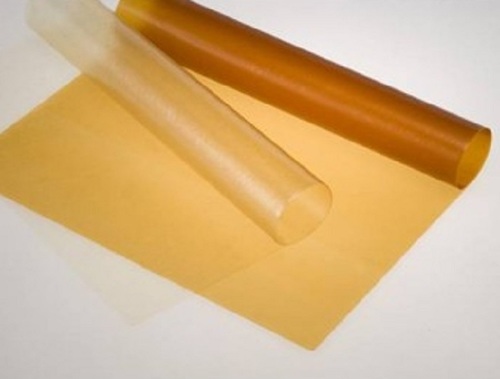
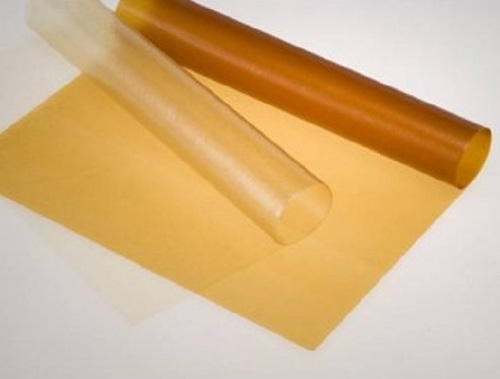
  • Transparent to yellowish
  • Thickness
  • 50 m (micrometers)
  • Ionic Conductivity (25C)
  • >100 mS/cm (in hydroxide ion form)
  • Ion Exchange Capacity (IEC)
  • 2.02.4 mmol/g
 

Sustainion X37-50 Grade RT Trade Information

  • Payment Terms
  • Paypal
  • Delivery Time
  • 15 Days
  • Main Export Market(s)
  • Asia
  • Main Domestic Market
  • All India
 

About Sustainion X37-50 Grade RT

Sustainion X37-50 Grade RT

Product Code: 72500315

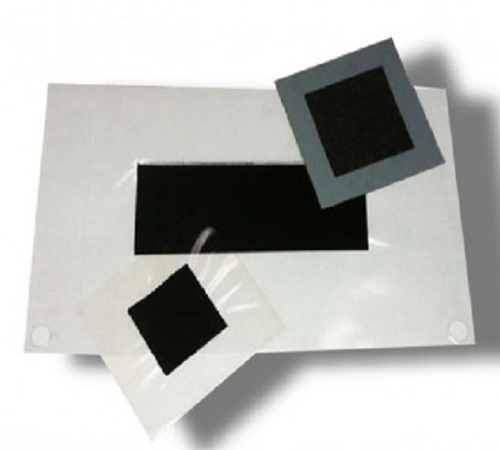
Sustainion X37-50 Grade RT is an anion exchange membrane with a dry thickness of50 microns and is designed for use with a supporting electrolyte. It has beenoptimized for use in alkaline water electrolyzers and CO2 electrolyzers.The membrane will be shipped with an ethylene glycol plasticizer to preventcracking. The plasticizer is designed to wash out during activation.

Pleasenote that this membrane is currently only available in 23 cm x 28 cm sheets.

AnionConductivity of Sustainion X37 in Different Electrolytes

Anionconductivity of Sustainion X37 membrane for hydroxide ions, carbonate ions, andchloride ions are provided in the graph below.

Pretreatment Information:

For electrochemical CO2 reductionapplications, the anion exchange membrane should be converted to the carbonateor bicarbonate form by treating the membrane initially with 0.1 to 0.5 M KOH orNaOH solution and then with 0.1 to 0.5 M water soluble carbonate or bicarbonatesalt solutions (such as potassium carbonate or potassium bicarbonate that isdissolved in de-ionized water or distilled water).  Fully submerging theanion exchange membrane into KOH or NaOH solution for 6 to 12 hours and then tothe desired carbonate or bicarbonate salt solution for a period of 48-72 hourswould be sufficient to fully convert the membrane into either carbonate orbicarbonate form.  After rinsing the membrane (which is in the carbonateform) with deionized water or distilled water, it can be assembled inside theelectrochemical setup for electrochemical CO2 reduction experiments. Whilethe submersion of the membrane into the KOH or NaOH can be skipped, for suchsituations, a longer submersion time may be required in order to fully convertthe membrane to carbonate or bicarbonate form.  Initial conversion to OH- formsignificantly improves the carbonate ion exchange process due to expanded poresizes.


Exceptional Performance in Alkaline Conditions

Sustainion X37-50 Grade RT membrane demonstrates superior chemical stability and efficiency in alkaline environments, making it ideal for high-demand electrochemical systems. Its robust ion exchange and high conductivity ensure reliable operation for extended periods, setting a benchmark for performance and longevity.


Versatile Applications and Flexible Design

From fuel cells to CO2 electrolyzers and flow batteries, this membrane supports a variety of applications owing to its adaptable sheet form and customizable sizing. Its non-reinforced yet self-supporting structure adds to handling ease without compromising durability, contributing to efficient productivity in research and industrial environments.

FAQ's of Sustainion X37-50 Grade RT:


Q: How is the Sustainion X37-50 Grade RT membrane typically used in electrochemical systems?

A: The membrane is integrated into devices such as CO2 electrolyzers, water electrolysis units, fuel cells, and flow batteries to facilitate efficient ion exchange and improve system performance.

Q: What benefits does its high ionic conductivity bring to applications?

A: A conductivity greater than 100 mS/cm at room temperature enables rapid hydroxide ion transport, resulting in improved current density, lower operational resistance, and enhanced overall efficiency in electrochemical processes.

Q: When should I choose the Grade RT variant of Sustainion X37-50?

A: Grade RT is designed for room temperature applications up to 60C. Use it when your process operates within this temperature range to maximize membrane stability and durability.

Q: Where can Sustainion X37-50 Grade RT membranes be obtained in the United States?

A: They are available through authorized distributors, manufacturers, suppliers, traders, and retailers across the United States, ensuring convenient sourcing for both research and industrial needs.

Q: What is the process for custom cutting or sizing the membrane for specific setups?

A: Membranes are provided in sheet form and can be custom cut to fit various device specifications. Contact your supplier to discuss your required dimensions or shapes for tailored solutions.

Q: Why is the membrane considered stable in alkaline environments?

A: Its poly(aryl piperidinium) based structure confers exceptional resistance to chemical degradation in alkaline solutions, ensuring a longer lifespan and reliable operation in demanding conditions.

Tell us about your requirement
product

Price:

Quantity
Select Unit

  • 50
  • 100
  • 200
  • 250
  • 500
  • 1000+
Additional detail
Mobile number

Email

More Products in Fuel Cell Membranes Category

Cation Membrane Variety Kit

Cation Membrane Variety Kit

Material : Cation Exchange Membrane

Application : Electrochemical Separation, Water Treatment, Fuel Cells, Ion Exchange Processes

Shape : Sheet/Roll (Variety Kit Contains Multiple Shapes and Sizes)

Chemical Composition : Sulfonated Polystyrene or Perfluorinated Sulfonic Acid Polymers

Density : 2.0 Gram per cubic centimeter(g/cm3)

Hardness : Flexible

Sustainion X37-FA

Sustainion X37-FA

Material : Polymer Electrolyte Membrane (PEM)

Application : Electrochemical Devices, Alkaline Water Electrolysis, CO2 Electrolysis, Fuel Cells

Shape : Flat Sheet Membrane

Chemical Composition : Quaternized Poly(phenylene) with Reinforcement

Hardness : Flexible

Pention-AEM-72-30- 5%Crosslinking

Pention-AEM-72-30- 5%Crosslinking

Material : Ethylene Acrylate Rubber (AEM)

Application : Automotive hoses, Seals, Gaskets, Wire & cable insulation

Shape : Pellets

Chemical Composition : Ethylene acrylate copolymer with 5% crosslinking agent

Density : 1.26 Gram per cubic centimeter(g/cm3)

Hardness : 72 Shore A

Xion PEM-Aquivion-830-20

Xion PEM-Aquivion-830-20

Material : Perfluorosulfonic Acid (PFSA) ionomer membrane

Application : Polymer Electrolyte Membrane for Fuel Cells and Electrolyzers

Shape : Flat Sheet Membrane

Chemical Composition : Equivalent to Aquivion E830; Perfluorinated copolymer with sulfonic acid functional groups

Density : 2.1 Gram per cubic centimeter(g/cm3)