 Call Us : 08071781050


|
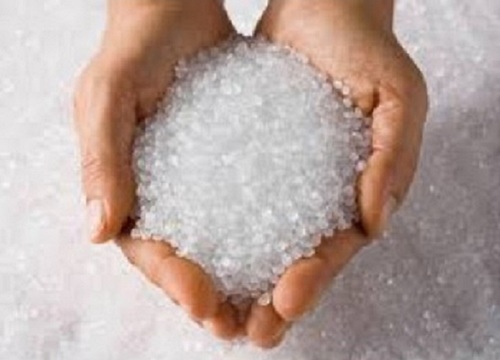
AquivionP98 are perfluorinated pellets in the sulfonyl fluoride (-SO2F) form thatexhibit an Equivalent Weight (EW) of 980 g/eq. This material is based on theunique Short Side Chain copolymer of Tetrafluoroethylene (TFE) and SulfonylFluoride Vinyl Ether (SFVE) F2C=CF-O-CF2CF2-SO2F produced by Solvay. Thestandard form of the sulfonyl fluoride is used to manufacture these pellets andthis form is also known as the chemically not stabilized form. Comparedto products made with Aquivion P87S-SO2F pellets (which are chemicallystabilized), membrane and dispersion products made with the Aquivion P98pellets would have slightly lower lifetime. Chemical stabilizationprocess is also known as end group conversion in which a large amount ofpolymer end groups are converted to their inert "CF3" configuration,and as such provides excellent lifetime. Chemically stabilized PFSF pelletswould yield products (such as membranes, dispersions, etc.) that will exhibitsubstantially lower fluoride ion release compared to the products are utilizingnon-stabilized polymer a sign of improved chemical durability. AquivionP98-SO2F material is based on the unique Short Side Chain copolymer ofTetrafluoroethylene (TFE) and Sulfonyl Fluoride Vinyl Ether (SFVE)F2C=CF-O-CF2CF2-SO2F produced by Solvay.
AquivionP98-SO2F resin can be easily melt extruded into a variety of shapes. Theextruder should be equipped with a standard three-zone metering screw devoid ofbarrier or mixing elements. Optimum temperature settings will depend on theconfiguration of the equipment, but generally range from 200 to 300C. Optionally,functional groups in the molded part are then hydrolyzed in baths or wetbenches with a heated base (NaOH, KOH etc) reaction which may take minutes orhours, depending on thickness and conditions. Aquivion P98-SO2F can bedirectly hydrolyzed as described, either completely or only on their outersurface. This will enable functional activity of the sulfonic acid /sulfonylsalt groups for ion-exchange operations or as an acid catalyst.
Likeother fluoropolymers, Aquivion PFSF pellets are corrosive in the melt;therefore, all parts having prolonged contact with the melt should be made withcorrosion-resistant materials such as Hastelloy, Inconel, Monel or Xaloy.Chrome or nickel plating is not recommended since they are typically onlysufficient for brief processing tests.
Key Advantages ofAquivion's Short Side Chain Based PFSF Pellets:
Very highconcentration of functional groups for strong proton (or Na+, K+, Li+, etc.)conductivity after the hydrolysis stage
High softening point for high temperature operation well above 80 C for theproducts utilizing this resin material
Strong water retention for better fuel cell operation at low-humidityconditions for membranes utilizing this resin material
Comparison of ShortSide Chain and Long Side Chain PFSF Pellets:
Aquivion PFSFs short side chain pellets would enablethe synthesis of products (membranes, dispersions, etc.) that have eitherbetter mechanical properties at the same IEC (ion-exchange capacity) or ahigher IEC at the same mechanical properties than long side chain (LSC) basedPFSF pellets.

Price:
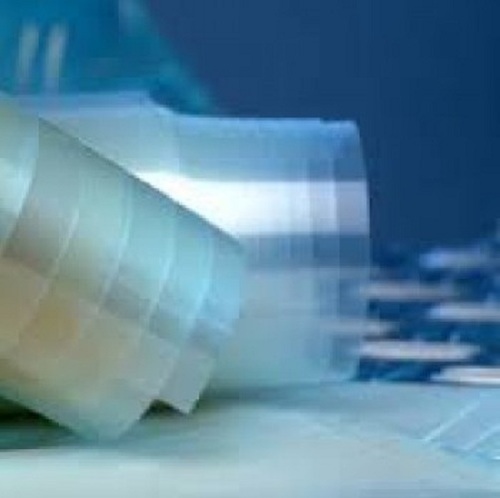
Chemical Composition : Perfluorosulfonic acid polymer
Application : Electrochemical cell testing, Fuel cells, Electrolysis systems, Research and development
Shape : Sheet
Material : Perfluorosulfonic acid (PFSA) membrane
Density : 2.0 Gram per cubic centimeter(g/cm3)
Hardness : Medium
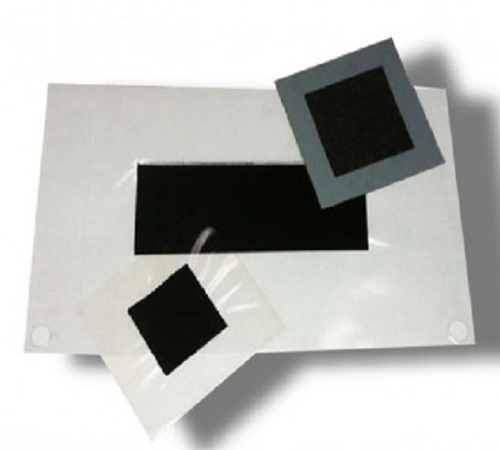
Chemical Composition : Perfluorosulfonic acid membrane (Dyneon 725) with platinum catalyst (0.5 mg/cm) supported on carbon cloth
Application : Proton Exchange Membrane Fuel Cells (PEMFC), Hydrogen Electrolyzers, Electrochemical cells
Shape : Sheet/Cloth
Material : PEM (Proton Exchange Membrane) with Dyneon 725 and platinum catalyst on cloth backing
Density : 2.0 Gram per cubic centimeter(g/cm3)
Hardness : Soft, flexible membrane
Chemical Composition : Polyelectrolyte Blend
Application : Industrial Water Treatment
Shape : Liquid
Material : Polymer Solution
Density : 1.1 Gram per cubic centimeter(g/cm3)
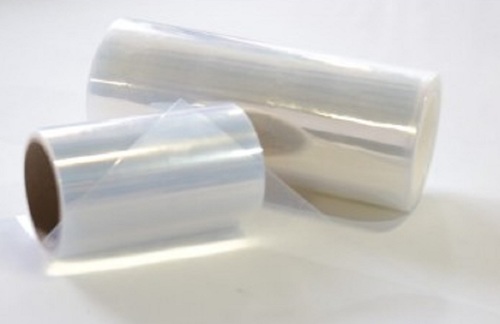
Chemical Composition : Advanced proprietary ionexchange polymers (Anion and Cation Exchange Layers)
Application : Electrodialysis, Electrolysis, Flow Batteries, Redox Flow Batteries, Acid/Base Generation
Shape : Flat sheet membrane
Material : Polymer blend for bipolar membrane application
Density : 1.2 Gram per cubic centimeter(g/cm3)
Hardness : Flexible
 |
ULTRANANOTECH PRIVATE LIMITED
All Rights Reserved.(Terms of Use) Developed and Managed by Infocom Network Private Limited. |




 Send Inquiry

 Send Inquiry
 Send Inquiry
 Send SMS